


Understanding the Evolution of Tooth Replacement
The landscape of restorative dentistry has transformed dramatically over recent decades, with modern techniques offering patients more efficient pathways to oral health restoration. Whilst traditional methods such as extractions followed by bridge work have served patients adequately for generations, contemporary approaches are reshaping expectations around recovery periods and long-term outcomes. The advancement of dental implants Northern Ireland technology has introduced a paradigm shift in how dental professionals approach tooth loss, bringing with it a host of benefits that extend well beyond mere aesthetics.
When examining the recovery trajectories of different dental procedures, it becomes evident that not all tooth replacement methods are created equal. The healing process following conventional extraction and bridge placement often involves multiple appointments, extended waiting periods, and considerable adjustment phases. By contrast, modern implant procedures have been refined to minimise tissue trauma and accelerate the body’s natural healing response, creating a more streamlined experience for patients seeking to restore their smile.
The Biological Advantage of Implant Integration
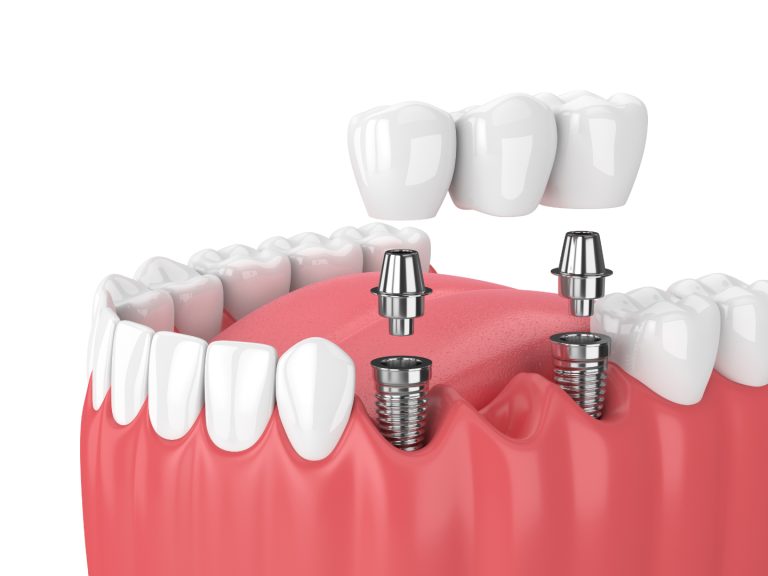
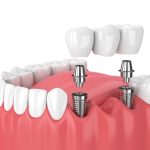
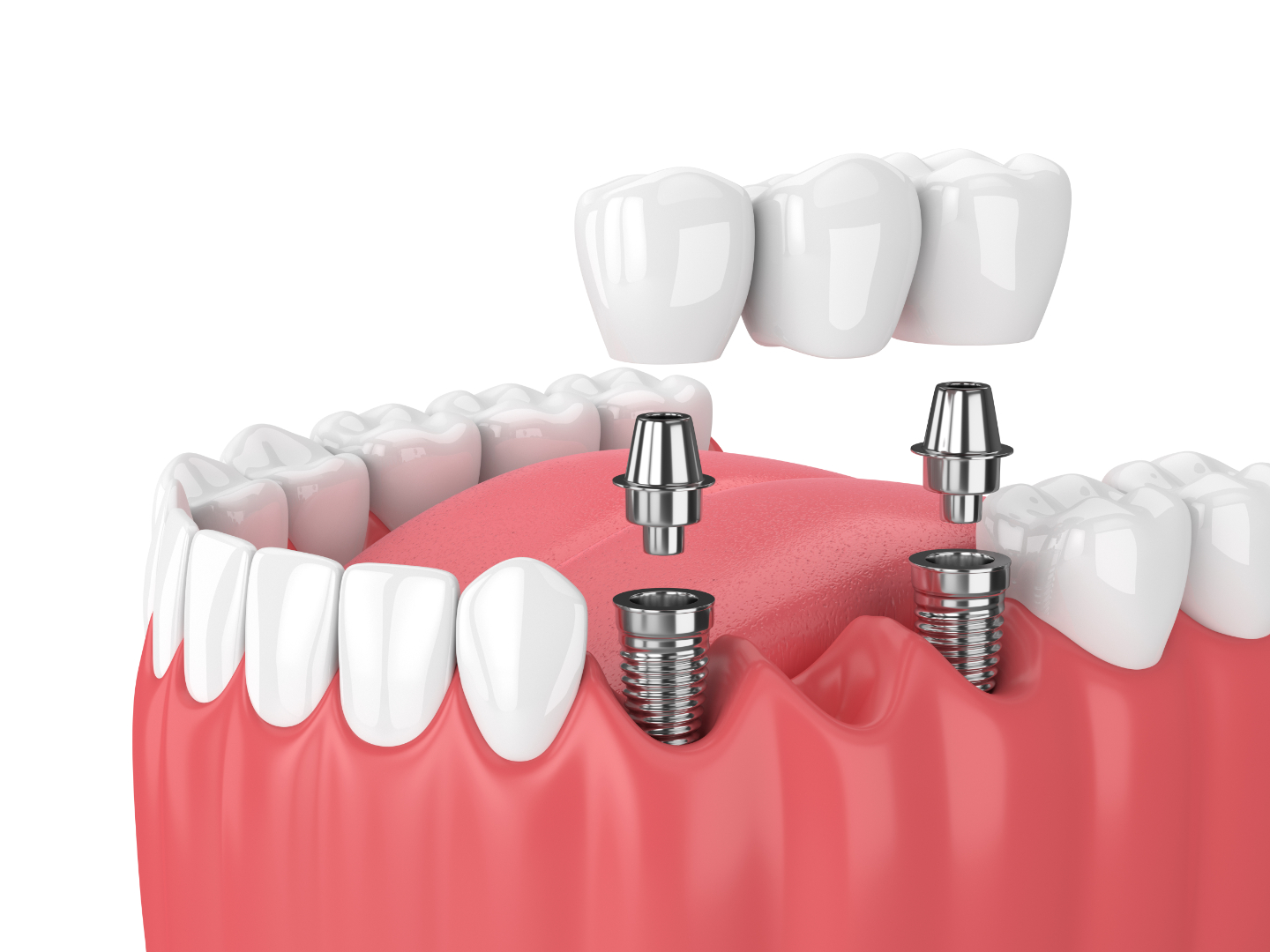
One of the most compelling aspects of dental implants practices offer lies in their unique interaction with the jawbone. Unlike bridges, which rely on adjacent teeth for support, implants integrate directly with the bone tissue through a process called osseointegration. This biological fusion creates a stable foundation that mimics the natural tooth root, providing structural integrity that traditional bridges simply cannot replicate.
Reduced Trauma to Surrounding Structures
Traditional bridge procedures necessitate the alteration of healthy adjacent teeth, which must be filed down to accommodate the supporting crowns. This irreversible modification creates additional wound sites that require healing time and can potentially compromise the long-term health of those teeth. According to research on dental implant success rates and healing processes, implant placement typically involves a more localised surgical site, preserving neighbouring teeth entirely and reducing the overall tissue disruption that the body must repair.
The preservation of natural tooth structure represents a significant advantage in terms of recovery efficiency. When healthy teeth remain untouched, patients avoid the sensitivity and discomfort that often accompanies tooth preparation for bridge work. This conservation approach aligns with contemporary dental philosophy, which prioritises minimally invasive techniques wherever possible.
Streamlined Healing Timeline
The recovery period following implant placement has been considerably refined through advances in surgical techniques and materials science. Whilst the osseointegration process does require several months to complete fully, patients typically experience minimal discomfort during this time. Most individuals return to normal activities within a few days of the procedure, with the implant quietly integrating beneath the gum line without requiring constant attention or adjustment.
In contrast, traditional extraction and bridge procedures often involve a more protracted recovery journey. Following tooth extraction, patients must wait for the socket to heal before impression-taking can begin. Subsequent appointments for temporary bridges, final fittings, and adjustments extend the timeline considerably. Each stage introduces opportunities for discomfort and requires additional healing periods, creating a cumulative recovery experience that can span many weeks.
Functional Benefits During the Recovery Phase
Modern implant protocols frequently allow for immediate or early loading, meaning temporary crowns can be placed shortly after implant insertion. This approach enables patients to maintain facial aesthetics and basic function throughout the healing period. The typical recovery timeline for dental implant surgery demonstrates that many patients enjoy relatively uninterrupted daily routines, with only minor dietary modifications required during the initial healing phase.
Bridge recipients, conversely, often contend with temporary prosthetics that may feel unstable or uncomfortable. The adjustment period can affect speech patterns and eating habits more significantly, as the brain adapts to the altered oral landscape. These functional compromises, whilst temporary, can impact quality of life during the recovery window.
Long-Term Recovery Considerations
Beyond the immediate post-operative period, implants offer advantages in terms of ongoing oral health maintenance. The post-implant care guidelines from established dental institutions emphasise that properly maintained implants integrate seamlessly into regular oral hygiene routines, requiring no special cleaning protocols beyond standard brushing and flossing.
Bridges demand more meticulous cleaning techniques, as food particles and bacteria can accumulate beneath the pontic and around the supporting crowns. This increased maintenance burden represents an ongoing commitment that extends well beyond the initial recovery phase, affecting long-term oral health outcomes.
The Future of Tooth Replacement
As techniques continue to evolve and success rates improve, dental implants increasingly represent the gold standard in restorative dentistry. Their capacity to facilitate efficient healing whilst preserving natural oral structures positions them as the preferred option for patients prioritising both immediate recovery and long-term wellbeing.