





The Hidden Threat in Your Morning Routine
Every morning, millions of people across the United Kingdom reach for their favourite beverage without a second thought about the potential consequences lurking within that seemingly innocent cup. Whether it’s a refreshing glass of orange juice, a fizzy cola, or even a healthy-looking smoothie, these everyday drinks may be waging a silent war against tooth enamel. Dental erosion represents one of the most insidious threats to oral health, precisely because it occurs gradually and often without any immediate warning signs. By the time most people notice the damage, significant enamel loss has already occurred, leaving teeth vulnerable to sensitivity, discolouration, and decay.
The chemistry behind dental erosion is straightforward yet alarming. When acidic beverages come into contact with tooth enamel, they temporarily soften the mineral structure that protects teeth. With repeated exposure over time, this process gradually strips away the enamel layer, which cannot regenerate once lost. Unlike other tissues in the body that possess remarkable healing abilities, tooth enamel remains permanently compromised once eroded. This makes prevention absolutely critical, and understanding which beverages pose the greatest risk becomes essential for maintaining long-term dental health.
The Science Behind Beverage-Induced Enamel Damage
Tooth enamel erosion occurs when acids lower the pH level in the mouth below the critical threshold of 5.5. At this point, the hydroxyapatite crystals that form enamel begin to dissolve in a process called demineralisation. Many popular beverages fall well below this pH level, with some soft drinks registering as low as 2.5 on the pH scale. For context, battery acid measures around 1.0, which puts certain beverages closer to industrial chemicals than one might imagine. Research has shown that carbonated beverages present significant erosion risks, particularly when consumed frequently throughout the day.
The duration and frequency of acid exposure matter just as much as the acidity level itself. Sipping a fizzy drink over several hours creates prolonged acid attacks that prevent saliva from performing its natural protective function. Saliva serves as the mouth’s primary defence mechanism, neutralising acids and supplying minerals that help repair early-stage enamel damage. When constant beverage consumption overwhelms this natural protection system, erosion accelerates dramatically.
Common Culprits: Beverages That Threaten Your Enamel
Whilst most people recognise that fizzy drinks pose risks to dental health, many remain unaware of the erosive potential hiding in beverages marketed as healthy alternatives. Fruit juices, particularly citrus varieties, contain high levels of citric acid that can be just as damaging as traditional soft drinks. Sports drinks, often consumed by health-conscious individuals, combine acids with sugars that create a particularly hostile environment for tooth enamel. Even sparkling water, perceived as a neutral choice, carries a slightly acidic pH that may contribute to erosion with excessive consumption.
Wine enthusiasts face their own unique challenges, as both red and white wines possess erosive properties. White wine tends to be more acidic, whilst red wine’s tannins can compound the problem by causing additional surface roughness. Energy drinks have emerged as a particularly concerning category, combining extreme acidity with high sugar content and caffeine that reduces saliva production. Understanding how acidic foods and drinks affect enamel helps individuals make informed choices about their consumption habits.
Protective Strategies and Professional Guidance
Fortunately, several practical strategies can mitigate the damage caused by acidic beverages. Using a straw positions the liquid away from teeth, reducing direct contact with enamel surfaces. Rinsing with water immediately after consuming acidic drinks helps neutralise pH levels and wash away harmful substances. However, brushing should be delayed for at least thirty minutes, as brushing immediately after acid exposure can actually accelerate enamel loss by scrubbing away softened mineral structures.
Consuming acidic beverages with meals rather than between them provides natural protection, as food stimulates saliva production and helps buffer acids. Chewing sugar-free gum after drinking also promotes saliva flow, enhancing the mouth’s natural repair mechanisms. Those seeking comprehensive information about dental erosion prevention and treatment can benefit from professional resources.
Protecting Your Smile for the Long Term
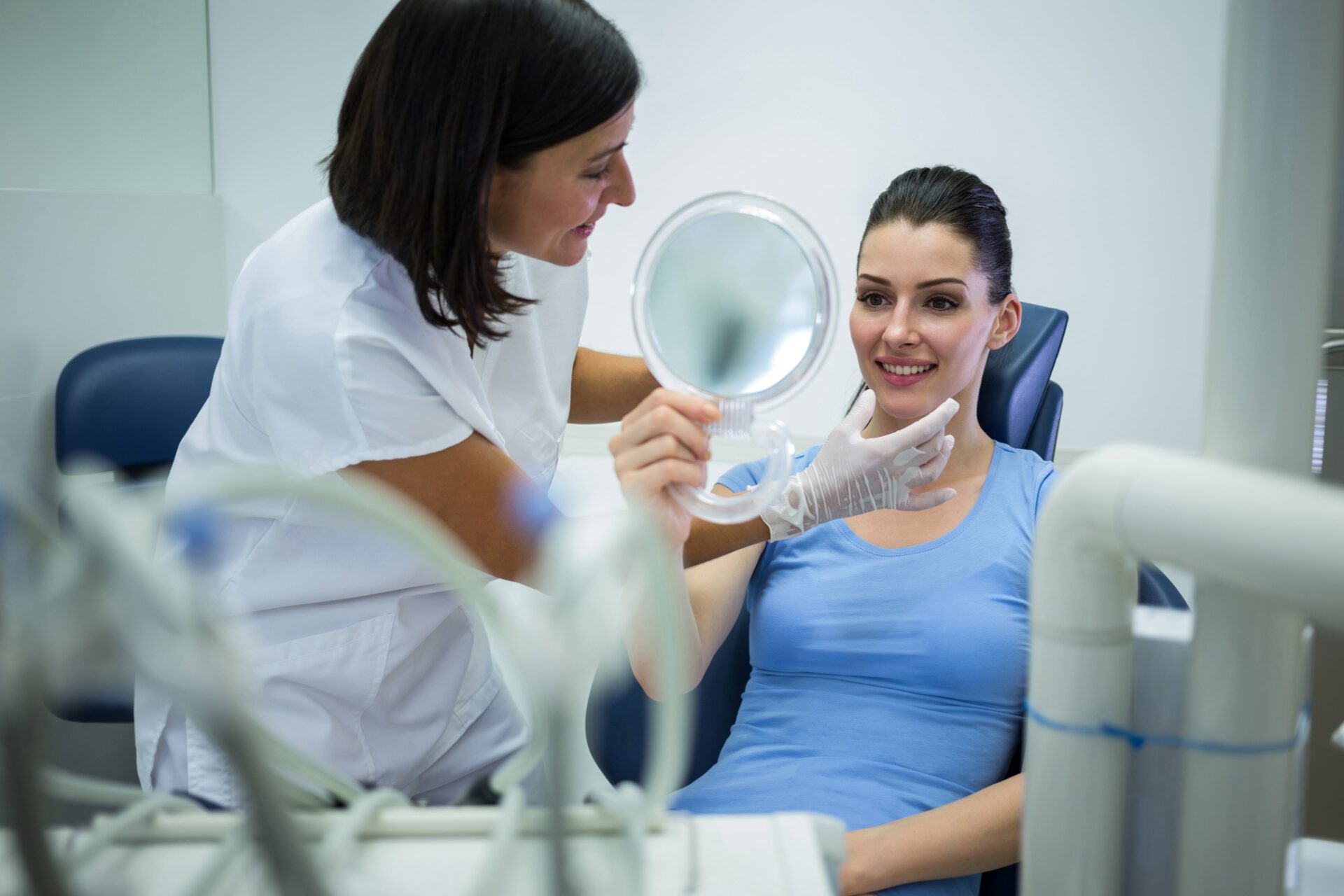
Regular dental check-ups remain essential for detecting early signs of erosion before significant damage occurs. A dentist Luton or dental professional elsewhere can assess enamel condition, provide personalised advice, and recommend treatments such as fluoride applications or protective sealants. By understanding the silent threat posed by everyday beverages and implementing protective strategies, individuals can preserve their enamel and maintain healthy smiles for years to come.